
Manual cranes, operated by hand, represent a foundational lifting technology, offering a practical solution for various industries․ These devices, detailed in numerous manuals, aid in reducing manual labor․
What is a Manual Crane?
A manual crane is a mechanical lifting device powered by human effort, distinct from motorized cranes․ These tools, often detailed in comprehensive manuals and field manuals, rely on levers, gears, or chains to elevate and move loads․ They are characterized by their simplicity and portability, making them ideal for locations lacking electrical power or requiring precise control․
Essentially, a manual operation means the machine is controlled with the hands, avoiding reliance on electricity․ This contrasts with automated systems․ The term manual also extends to documentation – a manual provides instructions for operation and maintenance․ These cranes are frequently used for tasks involving manual labour, offering a safer alternative to direct lifting by manual workers․
Historical Development of Manual Cranes
The origins of manual lifting devices trace back to ancient civilizations, utilizing basic levers and pulleys for construction – precursors to modern cranes․ Early documentation, akin to a manual, would have been passed down through apprenticeship․ Over centuries, designs evolved, incorporating chain hoists and rudimentary gear systems, improving lifting capacity and control․
The Industrial Revolution spurred further development, demanding more efficient manual handling solutions․ While powered cranes emerged, manual cranes remained vital for specialized tasks and locations without electricity․ Modern iterations benefit from advancements in material science, enhancing durability and reducing manual effort․ Accessing a detailed manual today reveals a lineage of continuous improvement․
Types of Manual Cranes
Manual cranes encompass diverse designs, including chain hoists, lever hoists, and hand gear cranes, each suited for specific lifting applications and detailed in relevant manuals․
Chain Hoist Cranes
Chain hoist cranes are a prevalent type of manual crane, utilizing a lifting chain to raise and lower loads․ These cranes are valued for their robust construction and relatively simple operation, often detailed within comprehensive manuals․ They function by pulling a hand chain, which engages a gear train to wind the lifting chain, effectively lifting the attached load․
Chain hoists are commonly found in workshops, warehouses, and construction sites where controlled lifting is essential․ Their design allows for precise positioning and secure load handling; Different models offer varying lifting capacities, catering to a wide range of applications․ Regular inspection, as outlined in the manual, is crucial for ensuring safe and reliable operation, preventing potential hazards associated with manual lifting tasks․
Lever Hoist Cranes
Lever hoist cranes represent another significant category within manual crane technology, distinguished by their use of a lever mechanism for lifting․ These devices, often accompanied by detailed manuals, provide a mechanical advantage, allowing users to lift substantial weights with relatively little effort․ Operation involves repeatedly pulling and releasing a lever, which incrementally raises the load․
Lever hoists are particularly useful in situations requiring precise lifting and positioning, such as maintenance work or equipment installation․ Their compact design makes them suitable for confined spaces․ Like all manual equipment, regular inspection and adherence to the manual’s guidelines are vital for maintaining operational safety and preventing failures․ They minimize strenuous manual labor․
Hand Gear Cranes
Hand gear cranes utilize a geared handwheel to raise and lower loads, offering a slower but highly controlled lifting process․ These cranes, often detailed in comprehensive manuals, are favored when precision and sustained holding power are crucial․ The gearing system multiplies the applied force, enabling the lifting of heavier objects with manageable effort, reducing strenuous manual exertion․
Unlike chain or lever hoists, hand gear cranes allow for incremental adjustments and secure load positioning․ They are commonly found in workshops and maintenance facilities where fine control is paramount․ Proper operation, as outlined in the manual, and regular maintenance are essential for safe and efficient performance, minimizing the need for excessive manual intervention․
Components of a Manual Crane
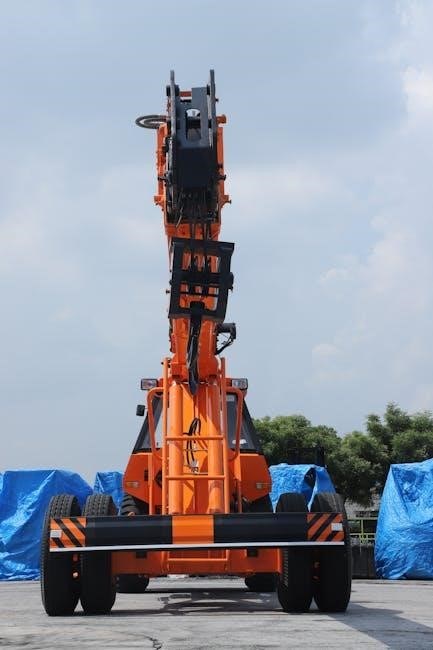
Manual cranes consist of key parts like the bridge, trolley, wire rope, hook, and braking systems – all detailed in product manuals for safe operation․
Crane Bridge and Trolley
The crane bridge is the horizontal structural component spanning the work area, supporting the trolley and load․ Constructed from robust materials, it ensures stability during lifting operations, as outlined in operational manuals․
The trolley, traveling along the bridge, houses the lifting mechanism – often a chain or lever hoist․ It’s responsible for the lateral movement of the load, allowing precise positioning․ Detailed manuals emphasize regular inspection of trolley wheels and bearings for smooth operation․
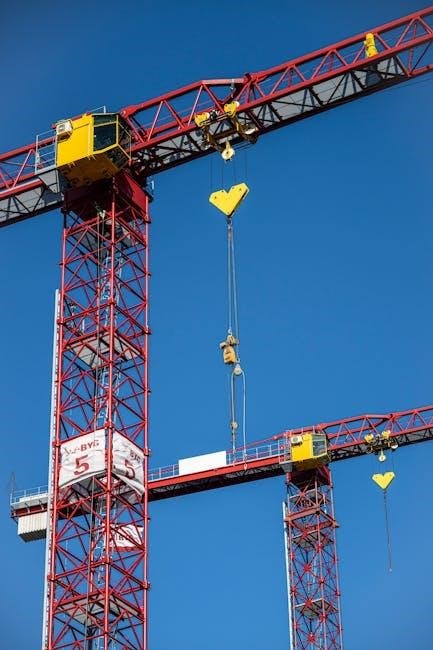
Together, the bridge and trolley form the core of the crane’s movement system, enabling efficient material handling․ Understanding their interplay, as described in comprehensive manuals, is crucial for safe and effective use․
Wire Rope and Hook
Wire rope, a critical component, transmits the lifting force from the hoist to the load․ Its construction involves multiple strands of steel wire, providing strength and flexibility, detailed in product manuals․ Regular inspection for fraying, kinks, or corrosion is paramount for safety․
The hook, attached to the wire rope, directly engages with the load․ Hooks come in various designs, each suited for specific applications, as explained in equipment manuals․ Latches are essential to prevent accidental disengagement during lifting․
Proper maintenance, guided by manuals, ensures the longevity and reliability of both the wire rope and hook, preventing potential failures and ensuring safe lifting practices․
Braking Systems
Braking systems are integral to manual crane safety, preventing uncontrolled descent of the load․ These systems, thoroughly described in operational manuals, typically employ a ratchet and pawl mechanism or a disc brake design․
The ratchet and pawl system engages to hold the load in position, requiring manual release for lowering․ Disc brakes utilize friction to control the wire rope’s movement, offering smoother and more precise control, as detailed in maintenance manuals․
Regular inspection and adjustment, following manual guidelines, are crucial to ensure the braking system functions effectively, safeguarding against accidents and maintaining operational reliability․
Operational Safety of Manual Cranes
Safety with manual cranes demands strict adherence to load limits, regular inspections – detailed in manuals – and proper lifting techniques to prevent incidents․
Load Capacity and Limits
Understanding load capacity is paramount for manual crane operation․ Each crane, as specified in its accompanying manual, possesses a clearly defined maximum weight limit․ Exceeding this limit compromises structural integrity and dramatically increases the risk of failure, potentially leading to severe accidents and injuries․
Operators must meticulously verify the weight of the load before attempting any lift, utilizing appropriate weighing devices․ Factors like load distribution and lifting geometry also influence the effective capacity․ Ignoring these limits isn’t just a safety violation; it’s a direct threat to personnel and equipment․ Regular inspection, guided by manual procedures, ensures the crane’s rated capacity remains accurate and reliable․
Inspection and Maintenance
Regular inspection and maintenance are crucial for ensuring the safe and reliable operation of manual cranes․ Detailed procedures are outlined in the crane’s manual, covering components like wire ropes, hooks, and braking systems; Frequent visual checks should identify wear, damage, or deformation․
Lubrication, as per the manual’s recommendations, minimizes friction and prevents corrosion․ Periodic disassembly and thorough examination of critical parts are essential․ Any damaged components must be replaced immediately with manufacturer-approved parts․ Maintaining detailed records of all inspections and maintenance activities is vital for tracking the crane’s condition and demonstrating compliance with safety regulations․
Proper Lifting Techniques
Employing proper lifting techniques with manual cranes is paramount for safety and efficiency․ Always verify the load weight against the crane’s capacity, detailed in the manual, and ensure the load is securely attached using appropriate slings or lifting points․
Lift loads vertically, avoiding side pulls or dragging, and maintain a clear path free from obstructions․ Never exceed the crane’s rated capacity, and avoid sudden movements or jerks․ Operators should receive thorough training on safe operating procedures, referencing the crane’s manual for specific guidance․ Communication between the lifter and spotters is essential for coordinated and safe lifting operations․

Applications of Manual Cranes
Manual cranes find widespread use in construction, warehouses, and automotive repair shops, offering a cost-effective lifting solution where powered options aren’t feasible․
Construction Sites
Manual cranes are invaluable on construction sites, particularly for tasks requiring precise material placement within confined areas․ Their portability allows for easy maneuvering around obstacles, unlike larger, fixed cranes․ They excel at lifting and positioning building materials like bricks, concrete blocks, and smaller steel components․
Because they don’t rely on electricity, manual cranes are ideal for remote locations lacking power sources․ Detailed manuals often emphasize safe operation, crucial in the dynamic environment of a construction zone․ Reducing manual labor through these tools improves efficiency and worker safety, minimizing strain and potential injuries associated with heavy lifting․ Proper training, as outlined in safety manuals, is paramount for effective and secure utilization․
Warehouses and Factories
Within warehouses and factories, manual cranes provide a cost-effective lifting solution for moving goods and materials․ They are particularly useful for tasks involving frequent, short-distance lifts where the speed of powered cranes isn’t essential․ These cranes assist in loading and unloading trucks, organizing inventory, and positioning items for assembly․
Their simple operation, detailed in comprehensive manuals, requires minimal training, making them accessible to a wider range of personnel․ Reducing reliance on manual handling minimizes worker fatigue and the risk of musculoskeletal injuries․ Accessing product manuals ensures correct usage and maintenance․ They are a practical choice for facilities seeking to improve efficiency and safety without significant capital investment․
Automotive Repair Shops
Automotive repair shops frequently utilize manual cranes for lifting heavy components like engines, transmissions, and differentials․ These cranes offer precise control, crucial when maneuvering delicate parts within the confined space of a vehicle․ Detailed manuals guide technicians through safe and effective operation, ensuring minimal risk of damage to the vehicle or injury to personnel․
Compared to larger, automated systems, manual cranes are more affordable and adaptable to the shop’s layout․ They reduce the strain of manual lifting, improving technician safety and productivity․ Proper training, referencing the equipment manual, is vital for maximizing efficiency and preventing accidents․ They are an indispensable tool for many repair procedures․

Manual Crane Regulations and Standards
Manual crane operation is governed by safety standards like OSHA guidelines and ANSI standards, ensuring worker protection and proper equipment use, as detailed in manuals․
OSHA Guidelines
OSHA (Occupational Safety and Health Administration) provides crucial guidelines for manual crane safety, focusing on preventing workplace injuries․ These regulations cover aspects like proper training for operators, emphasizing the importance of understanding manuals and safe lifting procedures․ OSHA mandates regular inspections of manual cranes to identify potential hazards, including worn ropes, faulty hooks, and malfunctioning braking systems․

Furthermore, guidelines address load capacity limitations, ensuring operators never exceed the manual crane’s rated load․ Detailed record-keeping of inspections and maintenance is also required․ Compliance with OSHA standards is paramount, and employers are responsible for providing a safe working environment, including access to relevant manuals and safety data․ Failure to adhere to these guidelines can result in significant penalties and, more importantly, put workers at risk․
ANSI Standards
ANSI (American National Standards Institute) develops and maintains voluntary consensus standards for manual cranes, focusing on design, construction, operation, and maintenance․ These standards aim to ensure the safety and reliability of these lifting devices․ ANSI specifications cover critical components like hooks, ropes, and braking systems, detailing material requirements and testing procedures․
Adherence to ANSI standards isn’t legally mandated like OSHA regulations, but it’s widely recognized as a best practice and often referenced in legal cases․ Manufacturers frequently design manual cranes to meet ANSI criteria, and detailed information is often included in product manuals․ Following these standards helps minimize risks, promotes consistent quality, and provides a framework for safe operation and long-term performance of manual crane equipment․
European Standards (EN)
European Standards (EN), developed by CEN (European Committee for Standardization), govern the safety and performance of manual cranes within Europe․ These standards, often referenced in product manuals, cover aspects like load testing, structural integrity, and ergonomic design․ EN standards aim to harmonize safety requirements across different European countries, facilitating trade and ensuring a consistent level of protection for workers․
Compliance with EN standards is often a legal requirement for selling manual cranes within the EU․ They detail specific criteria for components, manufacturing processes, and documentation․ These standards are regularly updated to reflect advancements in technology and safety practices, ensuring manual crane operations remain secure and efficient․ Adhering to EN standards demonstrates a commitment to quality and safety․
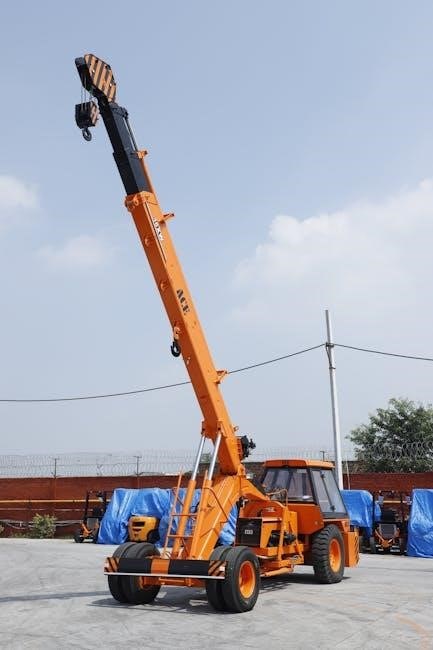
Future Trends in Manual Crane Technology
Manual crane evolution focuses on ergonomic designs, advanced material science for lighter components, and potential integration with smart technologies for enhanced control․
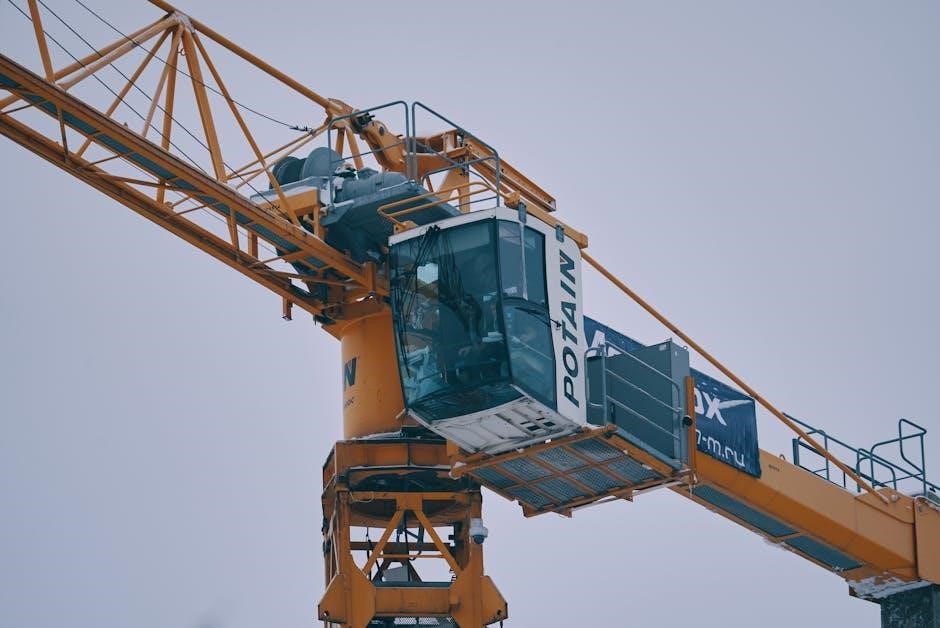
Ergonomic Improvements
Ergonomic enhancements are becoming increasingly vital in manual crane design, directly addressing operator fatigue and reducing the risk of musculoskeletal injuries․ Traditional manual operation can be physically demanding, requiring significant force and repetitive motions․ Future designs prioritize features like improved handle grips, optimized lever angles, and reduced pulling forces․
These modifications aim to distribute the workload more evenly, minimizing strain on the operator’s body․ Furthermore, advancements in gear ratios and mechanical advantage systems are being explored to lessen the effort needed for lifting heavy loads․ The goal is to create manual cranes that are not only effective but also prioritize the well-being and comfort of the individuals using them, ultimately boosting productivity and safety․
Material Science Advancements
Material science is revolutionizing manual crane construction, moving beyond traditional steel components․ High-strength alloys and composite materials are being investigated to reduce overall weight without compromising structural integrity or load capacity․ Lighter cranes are easier to maneuver and require less operator effort, aligning with ergonomic improvements․
Furthermore, corrosion-resistant materials are extending the lifespan of manual cranes, particularly in harsh environments․ Research into self-lubricating materials minimizes maintenance requirements, reducing downtime and operational costs․ These advancements aren’t limited to the crane’s frame; wire ropes and hooks are also benefiting from new material formulations, enhancing durability and safety․ The focus is on creating robust, long-lasting, and efficient lifting solutions․
Integration with Smart Technologies
While fundamentally manual, cranes are beginning to integrate with “smart” technologies to enhance safety and efficiency․ Sensors can monitor load weight, providing real-time feedback to the operator and preventing overloads․ Data logging capabilities track usage patterns, facilitating predictive maintenance and minimizing unexpected failures – information readily available in detailed manuals․
Wireless communication allows for remote monitoring of crane status and location․ Augmented reality (AR) applications can overlay digital information onto the operator’s view, providing guidance on proper lifting techniques and hazard awareness․ These integrations don’t replace the manual operation but augment it, creating a safer and more informed working environment․ This represents a significant step towards a more connected and intelligent lifting process․